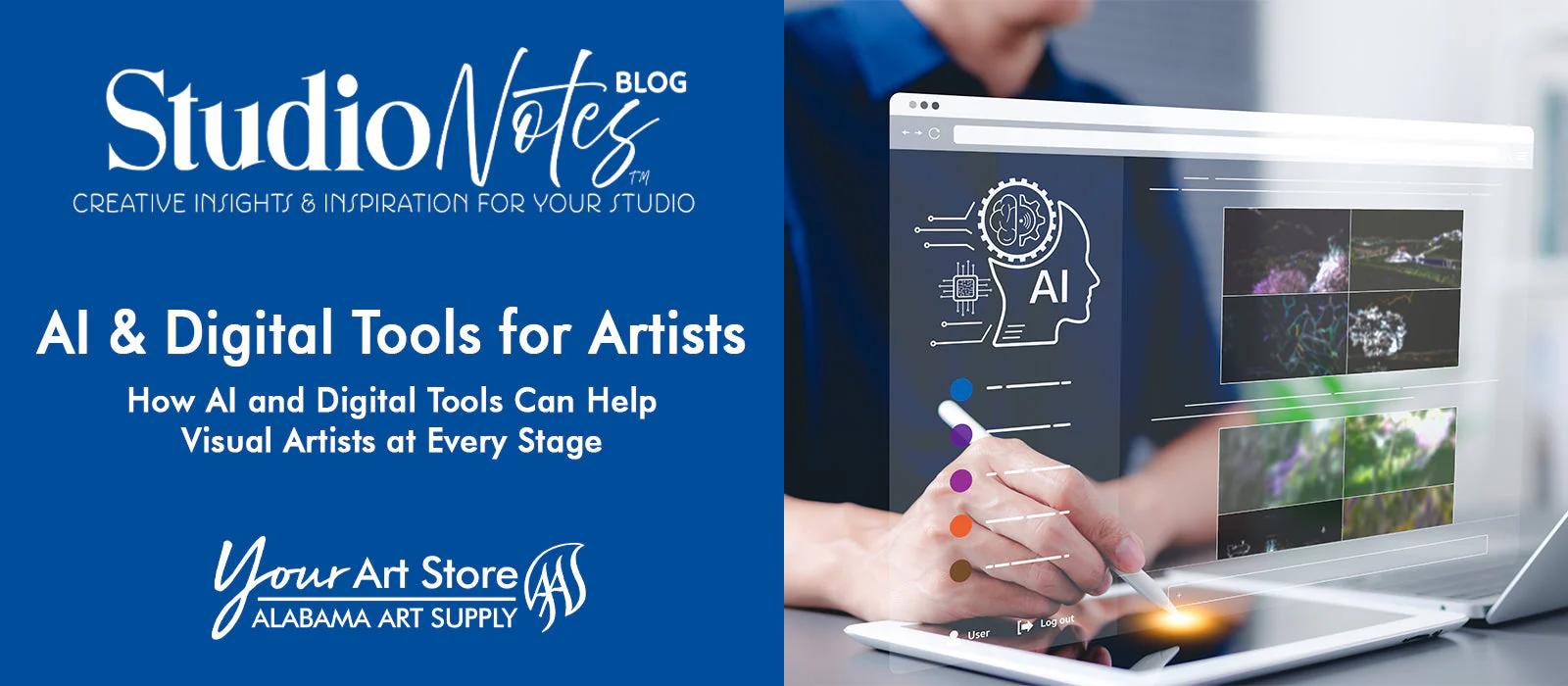
Look, I get it, university life is stressful but trying to master digital painting on top of deadlines, critiques, and theory classes? That’s a lot. The good news is that 2026 has completely changed the game. AI is no longer just a “cool tool”—it’s becoming a serious learning assistant for art students.
If you’re searching for the best AI for art students to learn digital painting techniques, this guide will walk you through the most powerful tools, how to use them effectively, and how to stay aligned with academic integrity while boosting your student productivity.
Let’s break it down properly.
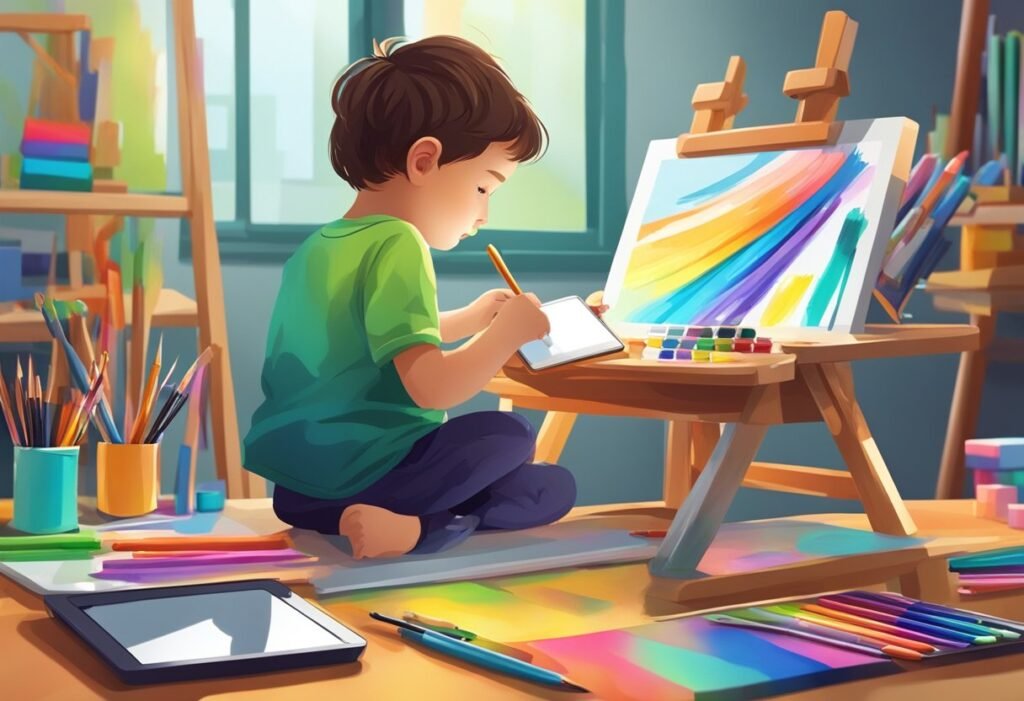
Why AI is a Game-Changer for Digital Painting Students
Digital painting used to require years of trial and error. Now, AI can compress that learning curve dramatically.
Here’s what modern AI tools can do for you:
- Analyze your brush strokes and suggest improvements
- Generate reference images instantly
- Teach lighting, anatomy, and color theory interactively
- Help with concept ideation for assignments and thesis projects
- Assist in building portfolios faster
And yes—this matters not just for your art, but also for your literature review, presentations, and overall academic workflow.
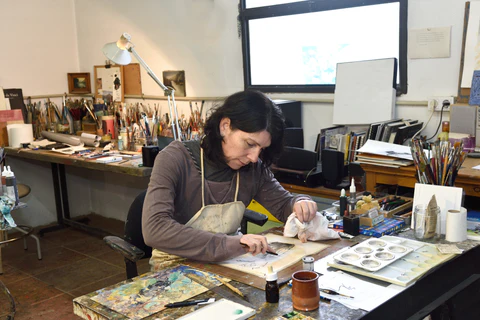
Best AI Tools for Learning Digital Painting Techniques in 2026
1. Adobe Photoshop (with AI features like Firefly)
Still the industry standard, but now powered by advanced AI.
Key AI Features:
- Generative Fill for instant composition ideas
- AI-powered brush smoothing
- Smart color matching and lighting suggestions
Why it’s great for students:
You’re not just painting—you’re learning why certain techniques work. Photoshop’s AI acts like a silent mentor correcting your workflow.
Downside:
Steep learning curve and subscription cost.
2. Procreate + AI Plugins
A favorite among iPad users, now enhanced with AI-driven tools.
Key Features:
- AI brush assistants
- Gesture-based corrections
- Style simulation tools
Best for:
Beginner to intermediate students who want a natural painting experience.
3. Krita with AI Extensions
A free and powerful option for students.
Key Features:
- AI-assisted stabilizers
- Perspective and symmetry tools
- Plugin ecosystem for machine learning features
Why it stands out:
Perfect for budget-conscious students who still want pro-level results.
4. MidJourney
This is where creativity explodes.
Key Features:
- Generate high-quality art references
- Explore different art styles instantly
- Concept art creation for assignments
Real talk:
MidJourney won’t teach brush technique directly—but it will massively improve your visual thinking.
5. Runway ML
A hybrid tool bridging art, video, and AI.
Key Features:
- Style transfer
- Real-time painting assistance
- AI video + concept blending
Best for:
Advanced students working on multimedia or thesis-level projects.
AI Tool Comparison Table
| Tool | Best For | Skill Level | Price | Unique Advantage |
|---|---|---|---|---|
| Photoshop | Professional workflows | Intermediate–Advanced | Paid | Industry standard + AI |
| Procreate | Tablet artists | Beginner–Intermediate | Low cost | Natural painting feel |
| Krita | Budget learners | All levels | Free | Open-source flexibility |
| MidJourney | Concept & references | All levels | Paid | Stunning visuals |
| Runway ML | Experimental art | Advanced | Paid | AI + video integration |
How to Use AI to Learn Digital Painting (Step-by-Step)
Here is the proccess I recommend to my students:
Step 1: Start with AI-Generated References
Use MidJourney to create:
- Lighting studies
- Character poses
- Environmental concepts
This eliminates hours of searching for references.
Step 2: Recreate in Your Painting Software
Import the reference into:
- Adobe Photoshop
- Krita
Focus on:
- Brush control
- Color blending
- Texture application
Step 3: Use AI Feedback Tools
Modern AI tools can:
- Detect proportion errors
- Suggest better lighting
- Improve perspective
This is like having a tutor available 24/7.
Step 4: Practice Style Variation
Use Runway ML to:
- Apply different artistic styles
- Experiment with surreal or abstract ideas
This is especially useful for portfolio development.
Step 5: Reflect and Document (Important for Academic Work)
Don’t skip this.
- Write about your process
- Compare AI vs manual techniques
- Include insights in your assignments or even your thesis
This is where academic integrity matters. You’re using AI as a tool—not submitting AI-generated art as your own without transformation.
AI Tool Checklist for Art Students
Before choosing your AI tool, ask yourself:
- Do I need help with technique or ideas?
- Am I working on assignments or personal art?
- Is my focus speed or mastery?
- Does my university allow AI-assisted work?
If your goal is learning, prioritize tools that teach, not just generate.
Academic Integrity: The Real Talk
Here is the real talk about using AI for your assignments.
AI is powerful—but misuse it, and you risk academic penalties.
Follow these rules:
- Always disclose AI usage if required
- Use AI for learning, not copying
- Transform outputs into original work
- Cite AI tools in your process documentation
This approach not only protects you but also strengthens your critical thinking, which is essential for your future career.
Beyond Painting: AI for Complete Student Productivity
The best art students in 2026 are not just creative—they’re efficient.
Combine painting AI tools with:
- Research tools for faster literature review
- AI note-taking apps for lectures
- Presentation AI for critiques and submissions
This is exactly what we focus on at lrnai.xyz—helping students master AI across every part of academic life.
Pros and Cons of Using AI for Digital Painting
Pros
- Faster skill development
- Instant feedback
- Endless creative inspiration
- Improved student productivity
Cons
- Risk of over-reliance
- Ethical concerns if misused
- Learning fundamentals may feel “shortcut”
Balance is key. AI should enhance your skills—not replace them.
Final Thoughts: Should You Use AI as an Art Student?
Absolutely—but use it wisely.
AI is like a mentor who never gets tired, never judges, and is always available. But your creativity, your decisions, and your artistic voice still matter the most.
If you integrate these tools correctly, you won’t just keep up with other students—you’ll stand out.
And honestly? In 2026, not learning AI is like refusing to learn perspective drawing. It just doesn’t make sense anymore.
Call to Action
Now it’s your turn.
Pick one tool from this list and try it today. Start small—maybe generate a reference or test an AI brush. Then build from there.
Also, share your experience—what worked, what didn’t, and what you wish you knew earlier.
For more practical guides like this, explore lrnai.xyz—your go-to resource to master AI, boost your student productivity, and stay ahead in the future of learning.
Leave a Reply