Category: Research & Thesis Mastery

  • How to Use Perplexity AI for Medical Student Research (Save 10+ Hours Every Week)

    How to Use Perplexity AI for Medical Student Research (Save 10+ Hours Every Week)

    Medical school is demanding—there’s no way around it. Between lectures, clinical rotations, and endless readings, research can feel overwhelming. But here’s the good news: tools like Perplexity AI are changing how medical students approach research in 2026.

    Look, I get it, university life is stressful but the right AI strategy can literally save you hours every week while improving the quality of your work.

    In this guide, you’ll learn exactly how to use Perplexity AI for medical student research—from literature reviews to smart note-taking—while staying aligned with academic integrity.
    What is Perplexity AI and Why Medical Students Should Care

    Perplexity AI is an AI-powered research assistant that combines search engine functionality with real-time citations. Unlike traditional AI chatbots, it provides sources alongside answers, which is critical for medical research.

    Key Benefits for Medical Students

    • Real-time access to credible academic sources
    • Built-in citations (perfect for research papers)
    • Simplified complex medical topics
    • Faster literature review proccess
    • Improved student productivity

    Here is the real talk about using AI for your assignments: it’s not about replacing your thinking—it’s about enhancing it.
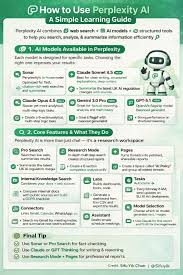
    Core Features of Perplexity AI for Research

    1. Evidence-Based Answers with Citations

    Perplexity pulls information from trusted databases and provides references instantly, helping you avoid unreliable sources.

    2. Focus Mode for Academic Research

    You can filter results specifically for:

    • Academic papers
    • Medical journals
    • Peer-reviewed sources

    3. Conversational Research Flow

    Instead of searching again and again, you can ask follow-up questions—perfect for deep medical topics like pathophysiology or pharmacology.

    4. File Upload and Analysis (2026 Update)

    You can now upload PDFs (research papers, clinical guidelines) and ask questions directly—saving time on reading.

    Step-by-Step: How to Use Perplexity AI for Medical Student Research

    Step 1: Start with a Clear Research Question

    Before opening Perplexity, define your goal.

    Example:

    • “What are the latest treatments for Type 2 Diabetes in 2026?”
    • “Compare ACE inhibitors vs ARBs in hypertension management”

    A focused query gives better results—this is where most students go wrong.

    Step 2: Use Academic Focus Mode

    Switch to academic or “focus” mode inside Perplexity.

    This ensures:

    • Peer-reviewed articles
    • Clinical studies
    • Evidence-based sources

    Step 3: Analyze the Sources Provided

    Don’t just copy answers. Click on the citations and review:

    • Journal name
    • Publication year
    • Study type (RCT, meta-analysis, etc.)

    This step is crucial for academic integrity.

    Step 4: Ask Follow-Up Questions

    Refine your research by asking:

    • “Summarize this study in simple terms”
    • “What are the limitations of this research?”
    • “How does this compare with WHO guidelines?”

    This creates a deeper understanding rather than surface-level learning.

    Step 5: Build Your Literature Review

    Use Perplexity to:

    • Identify key papers
    • Extract main arguments
    • Compare findings

    Then write the review in your own words. Never paste directly—that’s where students risk plagiarism.

    Step 6: Use It for Smart Note-Taking

    Turn complex articles into structured notes:

    • Key findings
    • Clinical relevance
    • Limitations
    • Future research directions

    This is especially helpful before exams.

    Step 7: Cross-Verify Information

    Even though Perplexity is powerful, always verify critical medical facts using:

    • Textbooks
    • Clinical guidelines
    • Professors

    AI is a tool, not the final authority.

    Perplexity AI vs Other Research Tools

    FeaturePerplexity AIGoogle ScholarChatGPT
    Real-time citationsYesYesLimited
    Conversational researchYesNoYes
    Academic filteringYesYesPartial
    Ease of useVery easyModerateEasy
    Literature review supportStrongModerateStrong

    Perplexity stands out because it combines search + explanation + citations in one place.

    AI Tool Checklist for Medical Research (2026)

    Before you rely on any AI tool, including Perplexity, check:

    • Does it provide credible sources?
    • Can you verify the references?
    • Are you using it to learn, not just copy?
    • Does your university allow AI-assisted research?
    • Are you maintaining academic integrity?

    If the answer is yes to all, your on the right track.

    Pros and Cons of Using Perplexity AI

    Pros

    • Saves significant research time
    • Improves understanding of complex topics
    • Provides structured and cited answers
    • Great for literature reviews

    Cons

    • Not all sources are perfect
    • Requires verification
    • Risk of over-reliance
    • May miss very latest niche studies

    Ethical Use: What Medical Students Must Know

    Academic integrity is non-negotiable—especially in medicine.

    Best Practices

    • Use AI for assistance, not substitution
    • Always cite original sources
    • Paraphrase in your own words
    • Avoid copy-paste submissions

    What to Avoid

    • Submitting AI-generated content as your own
    • Ignoring citations
    • Using outdated or unverified data

    Remember: your future patients depend on your knowledge, not AI outputs.

    How Perplexity AI Improves Student Productivity

    In 2026, AI is less about shortcuts and more about efficiency.

    With Perplexity, you can:

    • Reduce research time by 50%
    • Quickly understand complex studies
    • Organize notes faster
    • Prepare better assignments

    This gives you more time for:

    • Clinical practice
    • Revision
    • Personal well-being

    And honestly, that balance matters more than anything.

    Why lrnai.xyz is Your Go-To AI Learning Hub

    If you’re serious about mastering AI in academics, lrnai.xyz is built for you.

    From:

    • AI tools for thesis writing
    • Research automation strategies
    • Ethical AI usage guides

    …it’s your one-stop platform for future-ready learning.

    Final Thoughts: Should You Use Perplexity AI?

    Absolutely—but use it wisely.

    Perplexity AI is one of the most powerful tools available for medical student research in 2026. When used correctly, it can transform how you approach literature reviews, assignments, and exam preparation.

    But the key is balance.

    Use AI to enhance your thinking, not replace it.

    Now it’s your turn. Try Perplexity AI today, test it on your next research topic, and see how much time you save. Then share your study hacks and explore more expert AI guides on lrnai.xyz—because the future of learning isn’t coming… it’s already here.

  • How to Use AI to Automate Bibliography Management (Save 10+ Hours Every Week)

    How to Use AI to Automate Bibliography Management (Save 10+ Hours Every Week)

    Look, I get it, university life is stressful but managing your bibliography might be one of the most frustrating parts of academic writing.

    You spend hours collecting sources, formatting citations, organizing references—and somehow things still get messy. Duplicate entries, missing authors, wrong formats… it’s a nightmare.

    But here’s the shift: in 2026, AI-powered tools can automate bibliography management almost completely.

    That means less time formatting and more time actually thinking.

    In this guide, you’ll learn exactly how to use AI to automate bibliography management, improve your literature review workflow, and boost your overall student productivity.

    And if you’re serious about mastering AI in education, lrnai.xyz is quickly becoming the go-to resource for future-ready learners.

    Why Bibliography Management Is So Time-Consuming

    Before we talk solutions, let’s understand the problem.

    1. Manual Data Entry

    Typing author names, titles, and journal details takes time—and errors are common.

    2. Multiple Citation Styles

    Switching between APA, MLA, Harvard, etc. can be confusing.

    3. Disorganized Sources

    Without proper systems, your references become chaotic quickly.

    4. Academic Integrity Risks

    Incorrect citations can lead to plagiarism concerns or lost marks.

    This is where AI becomes a game changer.

    What Does AI-Powered Bibliography Management Mean?

    AI tools automate the entire process by:

    • Extracting metadata from PDFs and URLs
    • Generating citations instantly
    • Organizing references automatically
    • Syncing with writing tools
    • Updating citation styles in real-time

    In 2026, these tools are not just managers—they are intelligent research assistants.

    Here is the real talk about using AI for your assignments: it’s not about doing less work—it’s about doing the right work faster.

    Best AI Tools to Automate Bibliography Management

    Let’s compare the top tools students are using today.

    AI Bibliography Tool Comparison Table

    FeatureZoteroMendeleyEndNote
    Auto Metadata ExtractionExcellentExcellentVery High
    AI OrganizationStrongStrongVery Strong
    Citation Styles9,000+7,000+6,000+
    Cloud SyncYesYesYes
    Best ForStudentsResearchersAdvanced users

    Recommended Tools

    • Zotero
    • Mendeley
    • EndNote

    Each tool offers powerful automation features, but choosing the right one depends on your workflow.

    AI Tool Checklist for Bibliography Automation

    Before selecting a tool, make sure it can:

    • Automatically extract citation data
    • Organize references into folders or tags
    • Generate in-text citations
    • Sync with Word or Google Docs
    • Support multiple citation styles

    If your tool lacks these, it’s not worth your time.

    Step-by-Step: How to Use AI to Automate Bibliography Management

    Let’s break this into a simple, practical proccess you can follow.

    Step 1: Install a Reference Manager

    Start by setting up a tool like Zotero or Mendeley.

    Install:

    • Desktop app
    • Browser extension

    This allows one-click saving of sources.

    Step 2: Collect Sources Automatically

    As you browse:

    • Click the extension
    • Save journal articles instantly
    • Import PDFs directly

    AI will extract metadata like:

    • Author
    • Title
    • Year
    • Journal

    No manual typing needed.

    Step 3: Organize Your Library

    Create folders based on:

    • Topics
    • Chapters
    • Research questions

    Use tags to label:

    • Important papers
    • Key themes
    • Methodologies

    This makes your literature review much easier.

    Step 4: Generate Citations Instantly

    When writing:

    • Insert citations with one click
    • Choose APA, MLA, or other styles

    AI ensures correct formatting automatically.

    Step 5: Auto-Generate Bibliography

    At the end of your document:

    • Click “Insert Bibliography”
    • AI compiles all references instantly

    No manual formatting required.

    Step 6: Sync Across Devices

    Your library updates automatically across:

    • Laptop
    • Mobile
    • Cloud

    This keeps everything accessible and organized.

    Advanced Strategies for Smart Bibliography Management

    Once you understand the basics, try these techniques.

    1. AI-Powered Tagging

    Some tools suggest tags automatically based on content.

    This improves organization.

    2. Duplicate Detection

    AI can identify and remove duplicate entries.

    Very useful for large research projects.

    3. Smart Recommendations

    Tools may suggest related papers based on your library.

    Great for expanding your research.

    4. Integration with AI Writing Tools

    Combine reference managers with AI assistants to:

    • Summarize papers
    • Generate citations
    • Improve writing

    This creates a seamless academic workflow.

    Pros and Cons of AI Bibliography Automation

    Advantages

    • Saves hours of manual work
    • Improves accuracy
    • Enhances organization
    • Boosts student productivity
    • Supports literature review writing

    Limitations

    • Requires initial setup
    • Occasional metadata errors
    • Learning curve for beginners
    • Over-reliance risk

    So yeah, AI makes things easier—but you still need to stay in control.

    Ethical Use and Academic Integrity

    Let’s talk about something important.

    Using AI for bibliography management is completely acceptable—but only if used correctly.

    Ethical use means:

    • Verifying citation accuracy
    • Using real sources
    • Avoiding fabricated references
    • Understanding your materials

    If you blindly trust AI without checking, your work may suffer.

    And honestly, professors notice these mistakes.

    How AI Transforms Literature Reviews

    Bibliography management is a core part of literature review writing.

    AI helps you:

    • Organize dozens of sources
    • Maintain consistent citations
    • Track references easily
    • Focus on analysis instead of formatting

    This is a massive productivity boost for Master’s and PhD students.

    Smart Note-Taking + Bibliography Integration

    Modern AI tools combine:

    • Note-taking
    • Citation management
    • Research organization

    You can:

    • Attach notes to each paper
    • Highlight key sections
    • Store insights alongside citations

    This creates a powerful research system.

    Common Mistakes Students Make

    Let me be honest—many students misuse these tools.

    Avoid these mistakes:

    • Not organizing sources early
    • Ignoring metadata errors
    • Using wrong citation style
    • Overloading with unnecessary papers
    • Skipping manual verification

    If your references are messy, your whole paper looks weak.

    The Future of AI in Academic Workflows

    By 2026, AI is fully integrated into research and writing.

    Students who learn how to:

    • Automate bibliography management
    • Organize research efficiently
    • Maintain academic integrity

    …will always stay ahead.

    Platforms like lrnai.xyz are helping students adapt with practical guides and real-world strategies.

    And honestly, this is just the beginning.

    Final Thoughts: Organize Smarter, Not Harder

    Managing your bibliography doesn’t have to be painful.

    With AI, you can:

    • Automate citations
    • Stay organized
    • Save time
    • Focus on meaningful work

    But remember:

    AI is a tool—not a replacement for understanding.

    If you use it wisely, your not just saving time—you’re building a smarter academic workflow.

    Call to Action

    Ready to take control of your research?

    Start using AI to automate bibliography management today and experience the difference. Then explore more powerful AI strategies on lrnai.xyz to boost your student productivity, strengthen your academic integrity, and master the future of learning.

    And if you’ve discovered a better way to manage your references, share it—because the best students don’t just follow systems, they improve them.

  • How to Translate Research Papers Accurately Using AI (Save 10+ Hours Every Week)

    How to Translate Research Papers Accurately Using AI (Save 10+ Hours Every Week)

    Look, I get it, university life is stressful but nothing slows you down more than finding the perfect research paper… only to realize it’s in a language you don’t understand.

    Whether it’s a German study, a Chinese journal, or a French thesis, language barriers can seriously limit your research potential.

    Here’s the good news: in 2026, AI translation tools have become incredibly accurate—especially for academic content.

    In this guide, you’ll learn exactly how to translate research papers accurately using AI, without losing meaning, context, or academic quality.

    And if you’re serious about mastering AI for academic success, lrnai.xyz is your ultimate destination.

    Why Translating Research Papers Is Challenging

    Before we dive into solutions, let’s understand the problem.

    1. Complex Academic Language

    Research papers include:

    • Technical terminology
    • Discipline-specific jargon
    • Formal writing styles

    Basic translators often fail here.

    2. Context Loss

    Literal translation can distort meaning—especially in methodology and results sections.

    3. Time-Consuming

    Manual translation or dictionary-based reading can take hours per paper.

    4. Risk to Academic Integrity

    Misinterpretation can lead to incorrect citations or flawed arguments.

    This is where AI-powered translation tools come in.

    What Does AI Research Paper Translation Mean?

    AI translation tools in 2026 use advanced models to:

    • Understand context, not just words
    • Translate technical terminology accurately
    • Preserve academic tone
    • Adapt to subject-specific language

    This means you can now read global research without language barriers.

    Here is the real talk about using AI for your assignments: it’s not about replacing effort—it’s about unlocking access to knowledge.

    Best AI Tools for Translating Research Papers

    Let’s compare the top tools students are using today.

    AI Translation Tool Comparison Table

    FeatureDeepLGoogle TranslateChatGPT
    AccuracyVery HighHighVery High
    Academic Language HandlingExcellentModerateExcellent
    Context AwarenessStrongMediumVery Strong
    File UploadYesLimitedYes
    Best ForPrecision translationQuick useDeep understanding

    Recommended Tools

    • DeepL
    • Google Translate
    • ChatGPT

    Using multiple tools together often gives the best results.

    AI Tool Checklist for Accurate Translation

    Before choosing a tool, make sure it can:

    • Handle full research papers (PDFs)
    • Translate technical terms correctly
    • Maintain sentence structure and meaning
    • Allow follow-up explanations
    • Support multiple languages

    If your tool can’t do these, your translation quality will suffer.

    Step-by-Step: How to Translate Research Papers Accurately Using AI

    Let’s break this into a simple, actionable proccess you can follow.

    Step 1: Choose the Right Tool

    Use:

    • DeepL for precise translation
    • ChatGPT for explanation and simplification

    Combining tools gives better accuracy.

    Step 2: Upload or Paste the Text

    You can:

    • Upload the full PDF
    • Paste sections (abstract, methods, results)
    • Use OCR for scanned documents

    Start with key sections if the paper is long.

    Step 3: Translate in Sections

    Avoid translating the entire 50-page paper at once.

    Instead:

    • Translate 2–5 pages at a time
    • Focus on important sections first

    This improves accuracy.

    Step 4: Ask AI to Simplify

    After translation, ask:

    • “Explain this in simple terms”
    • “Summarize this section”

    This helps you understand the content better.

    Step 5: Verify Technical Terms

    Cross-check:

    • Key terminology
    • Scientific terms
    • Methodology descriptions

    AI is good—but not perfect.

    Step 6: Convert into Notes

    Turn translated content into:

    • Bullet points
    • Summaries
    • Study notes

    This improves retention and student productivity.

    Advanced Techniques for Better Translation

    Once you understand the basics, try these.

    1. Dual Translation Method

    Translate using two tools and compare results.

    This reduces errors.

    2. Context Reinforcement

    Ask AI:
    “Translate this with academic tone and preserve technical meaning”

    3. Terminology Glossary

    Create a list of key terms and ensure consistency across translations.

    4. Back Translation

    Translate back into the original language to check accuracy.

    This is a pro-level technique.

    Pros and Cons of AI Translation for Research

    Advantages

    • Saves hours of manual work
    • Expands access to global research
    • Improves literature review quality
    • Enhances student productivity
    • Simplifies complex content

    Limitations

    • Occasional mistranslations
    • Requires verification
    • Context may still vary
    • Over-reliance risk

    So yeah, AI is powerful—but you still need to think critically.

    Ethical Use and Academic Integrity

    Let’s address an important issue.

    Using AI to translate research papers is completely acceptable.

    But misuse happens when students:

    • Misinterpret translated content
    • Fail to verify meaning
    • Cite incorrectly

    Ethical use means:

    • Understanding what you translate
    • Verifying accuracy
    • Citing original sources properly

    If you don’t do this, your research quality can drop—even if your using advanced tools.

    How AI Improves Literature Reviews

    Translation plays a huge role in literature reviews.

    AI helps you:

    • Access international studies
    • Compare global findings
    • Identify research gaps
    • Build stronger arguments

    This gives you a competitive advantage in your thesis.

    Smart Note-Taking with AI Translation

    Modern AI tools allow you to:

    • Translate and summarize simultaneously
    • Highlight key insights
    • Organize notes by topic

    This creates a streamlined workflow.

    Imagine translating a paper and instantly having structured notes ready.

    That’s the future of learning.

    Common Mistakes Students Make

    Let me be honest—many students misuse AI translation tools.

    Avoid these mistakes:

    • Translating everything at once
    • Ignoring technical terms
    • Blindly trusting output
    • Skipping verification
    • Not reading original context

    If you rely only on translation without understanding, your research will suffer.

    The Future of AI in Academic Research

    By 2026, language is no longer a barrier.

    Students who learn how to:

    • Translate research accurately
    • Analyze global studies
    • Maintain academic integrity

    …will always stay ahead.

    Platforms like lrnai.xyz are helping students build these skills with practical, real-world guidance.

    And honestly, this is just the beginning.

    Final Thoughts: Learn Beyond Language Barriers

    Translating research papers used to be slow and frustrating.

    Now, with AI, it’s fast, efficient, and accurate.

    But remember:

    AI doesn’t replace understanding—it enhances it.

    If you use it wisely, your not just translating—you’re expanding your knowledge.

    Call to Action

    Ready to unlock global research?

    Start using AI to translate research papers accurately today and take your academic work to the next level. Then explore more powerful AI strategies on lrnai.xyz to boost your student productivity and master the future of learning.

    And if you’ve discovered a smarter way to translate research, share it—because the best students don’t just consume knowledge, they expand it.

  • Best Free AI for Ph.D. Thesis Literature Review 2026: Save 10+ Hours Every Week

    Best Free AI for Ph.D. Thesis Literature Review 2026: Save 10+ Hours Every Week

    Look, I get it, university life is stressful but doing a Ph.D. takes that stress to a whole different level. Between endless papers, confusing theories, and tight deadlines, the literature review alone can feel like a full-time job. The good news? In 2026, AI tools have evolved into powerful academic assistants that can dramatically improve your research workflow—if you use them the right way.

    This guide breaks down the best free AI for Ph.D. thesis literature review 2026, how they actually help, and how you can use them ethically to boost your academic performance without risking your integrity.

    Why AI is a Game-Changer for Literature Reviews in 2026

    A literature review is not just about summarizing papers. It’s about identifying gaps, synthesizing knowledge, and building a strong academic argument. Traditionally, this process takes weeks—sometimes months.

    AI tools in 2026 can now:

    • Scan thousands of research papers in seconds
    • Summarize complex studies into digestible insights
    • Identify research trends and gaps
    • Help organize citations and notes
    • Improve your writing clarity

    Here is the real talk about using AI for your assignments: AI won’t replace your thinking—but it will supercharge your proccess.

    Top Free AI Tools for Ph.D. Literature Review (2026)

    1. AI Research Assistants (Semantic Search Tools)

    These tools go beyond basic keyword searches. They understand the meaning behind your query.

    Key Features:

    • Context-based paper recommendations
    • Citation mapping
    • Research trend visualization

    Best For: Finding relevant academic sources quickly

    2. AI Summarization Tools

    Instead of reading 30-page papers, AI can condense them into key insights.

    Key Features:

    • Abstract-level summaries
    • Key findings extraction
    • Methodology breakdown

    Best For: Quickly understanding whether a paper is worth reading

    3. Smart Note-Taking AI

    These tools help you organize ideas, highlight important sections, and link concepts.

    Key Features:

    • Auto-generated notes
    • Concept linking
    • Tagging and organization

    Best For: Keeping your literature review structured

    4. AI Writing Assistants (Academic Mode)

    These are not for writing your thesis—but for refining it.

    Key Features:

    • Grammar correction
    • Academic tone suggestions
    • Clarity improvements

    Best For: Editing and polishing your literature review

    Comparison Table: Best Free AI for Ph.D. Thesis Literature Review 2026

    FeatureTool Type ATool Type BTool Type CTool Type D
    Free Plan AvailableYesYesYesYes
    Paper DiscoveryExcellentGoodModerateLimited
    Summarization QualityHighExcellentGoodModerate
    Note OrganizationModerateGoodExcellentHigh
    Academic Writing SupportLowModerateGoodExcellent
    Ease of UseEasyEasyModerateEasy

    How to Use AI for Literature Review (Step-by-Step Guide)

    Step 1: Start with a Clear Research Question

    Before using any AI tool, define your topic clearly. AI works best when your input is specific.

    Example:
    Instead of: “climate change”
    Use: “impact of climate change on agricultural productivity in South Asia”

    Step 2: Use AI to Discover Relevant Papers

    Input your research question into an AI research assistant.

    What it will do:

    • Suggest top papers
    • Show citation relationships
    • Highlight influential authors

    This step alone can save you 5–6 hours per week.

    Step 3: Summarize Papers Efficiently

    Upload PDFs or paste abstracts into summarization tools.

    Focus on:

    • Key findings
    • Research methods
    • Limitations

    This helps you quickly decide whether to include the paper in your review.

    Step 4: Take Smart Notes

    Use AI-powered note tools to:

    • Highlight important sections
    • Add your own comments
    • Link ideas across papers

    Trust me, this step is where most students struggle. Without proper notes, your literature review becomes messy.

    Step 5: Identify Research Gaps

    Ask AI tools questions like:

    • “What are the limitations in these studies?”
    • “What areas need further research?”

    AI can reveal patterns you might miss.

    Step 6: Draft and Refine Your Literature Review

    Use writing assistants to:

    • Improve clarity
    • Fix grammar
    • Maintain academic tone

    But do not blindly copy AI output. Your university expects your thinking, not AI-generated content.

    AI Tool Checklist for Students

    Before choosing any AI tool, ask yourself:

    • Does it support academic sources (Google Scholar-level)?
    • Can it summarize research papers accurately?
    • Does it help with citations and notes?
    • Is it compliant with academic integrity guidelines?
    • Is it actually free or just a trial?

    If a tool fails 2–3 of these checks, skip it.

    Academic Integrity: The Right Way to Use AI

    This is important.

    Using AI incorrectly can lead to plagiarism or even academic penalties.

    Here’s how to stay safe:

    What You SHOULD Do:

    • Use AI for research and understanding
    • Generate summaries for personal learning
    • Improve your writing clarity

    What You SHOULD NOT Do:

    • Submit AI-generated text as your own
    • Copy summaries without verification
    • Ignore citation requirements

    Think of AI as a research assistant—not a ghostwriter.

    Common Mistakes Ph.D. Students Make with AI

    1. Over-Reliance on AI

    AI is helpful, but it can make mistakes. Always verify sources.

    2. Skipping Deep Reading

    Summaries are great, but you still need to read key papers fully.

    3. Ignoring Context

    AI might miss cultural or regional nuances in research.

    4. Poor Prompting

    If your input is vague, your output will be useless.

    Example:
    Bad prompt: “summarize this”
    Better prompt: “summarize key findings, methodology, and limitations”

    Future of AI in Academic Research (2026 and Beyond)

    AI is evolving fast. In 2026, we are already seeing:

    • AI that can generate structured literature reviews (with citations)
    • Real-time collaboration between students and AI
    • Personalized research recommendations

    But here’s the reality: universities are also getting stricter about AI misuse. So your success depends on how responsibly you use these tools.

    Why Students Trust lrnai.xyz

    If your serious about mastering AI for academic success, lrnai.xyz is built exactly for you.

    It provides:

    • Practical AI guides for students
    • Ethical usage frameworks
    • Step-by-step tutorials
    • Updated tools for 2026

    Instead of wasting time testing random tools, you get a clear roadmap to improve your student productivity.

    Final Thoughts

    The best free AI for Ph.D. thesis literature review 2026 is not just one tool—it’s a smart combination of research assistants, summarizers, and writing aids.

    Used correctly, AI can:

    • Save you 10+ hours every week
    • Improve the quality of your literature review
    • Reduce stress and overwhelm

    But remember, AI is only as good as the student using it.

    So take control of your research proccess, stay ethical, and use AI as a tool—not a shortcut.

    Now it’s your turn.

    Start experimenting with these AI tools today, refine your workflow, and see what works best for your thesis. And if you want more practical, student-focused AI strategies, explore the latest guides on lrnai.xyz.

    Also, share your favorite AI study hacks—because honestly, every Ph.D. student could use a little extra help.

  • How to Summarize 50-Page Research Papers Using AI in Seconds (Save 10+ Hours Every Week)

    How to Summarize 50-Page Research Papers Using AI in Seconds (Save 10+ Hours Every Week)

    Look, I get it, university life is stressful but the real challenge isn’t just studying—it’s managing time. Between lectures, assignments, and deadlines, reading a 50-page research paper can feel overwhelming.

    Now here’s the good news: in 2026, AI tools have completely changed how students handle academic reading. You no longer need to spend hours skimming dense material. You can summarize entire research papers in seconds—without losing key insights.

    This guide will walk you through exactly how to summarize 50-page research papers using AI in seconds, while still maintaining academic integrity and improving your learning process.

    If you’re serious about mastering AI for education, platforms like lrnai.xyz are becoming essential for modern students.

    Why Summarizing Research Papers Matters More Than Ever

    Before we jump into tools and steps, let’s talk reality.

    Research papers are not written to be easy—they are written to be accurate. That means:

    • Complex language
    • Dense methodologies
    • Long literature reviews
    • Technical jargon

    For students, this creates three major problems:

    1. Time Drain

    Reading one paper can take 2–4 hours. Multiply that by 10 papers for a literature review and your whole week is gone.

    2. Cognitive Overload

    You might read everything and still not understand the core argument.

    3. Inefficient Note-Taking

    Manual summaries often miss key findings or include unnecessary details.

    This is where AI becomes your academic advantage.

    What Does “Summarizing with AI” Actually Mean?

    AI-powered summarization uses advanced natural language processing to:

    • Extract key arguments
    • Identify research objectives
    • Highlight methodology
    • Present conclusions clearly

    In 2026, these tools are not just summarizers—they are academic assistants.

    They can:

    • Convert PDFs into structured summaries
    • Generate bullet points for quick revision
    • Simplify complex sections
    • Help with literature review synthesis

    Here is the real talk about using AI for your assignments: it’s not about cheating—it’s about working smarter.

    Best AI Tools to Summarize Research Papers in 2026

    Here’s a quick comparison of top tools students are using right now:

    AI Tool Comparison Table

    FeatureChatGPTPerplexity AIScholar AI Tools
    PDF UploadYesYesYes
    Academic FocusHighMediumVery High
    Citation SupportModerateStrongStrong
    SpeedVery FastFastModerate
    Best ForDeep summariesQuick answersResearch-heavy tasks

    Each tool has its strengths, but the best results often come from combining them.

    AI Tool Checklist for Students

    Before choosing a tool, make sure it can:

    • Handle large PDFs (50+ pages)
    • Provide structured summaries (Abstract, Methods, Results)
    • Maintain academic integrity
    • Support note-taking or export options
    • Work fast (seconds, not minutes)

    If a tool doesn’t meet at least 3 of these, it’s probably not worth your time.

    Step-by-Step: How to Summarize a 50-Page Research Paper Using AI

    Now let’s break it down into a simple, practical proccess you can follow today.

    Step 1: Upload the Research Paper

    • Open your AI tool
    • Upload the PDF (most tools allow drag-and-drop)
    • Ensure the file is clear and readable

    Tip: If the PDF is scanned, use OCR tools first for better results.

    Step 2: Use a Smart Prompt

    This is where most students mess up.

    Instead of saying:
    “Summarize this paper”

    Use:
    “Summarize this 50-page research paper into key sections: Abstract, Methodology, Results, and Conclusion. Keep it concise but academically accurate.”

    Better prompts = better results.

    Step 3: Generate a Structured Summary

    The AI will usually return:

    • Key research question
    • Main arguments
    • Methods used
    • Findings
    • Limitations

    Read through it once to ensure accuracy.

    Step 4: Ask Follow-Up Questions

    This is where AI becomes powerful.

    Ask things like:

    • “Explain the methodology in simple terms”
    • “What are the key limitations?”
    • “How does this relate to my topic?”

    This step transforms passive reading into active learning.

    Step 5: Convert into Notes

    Now turn the summary into:

    • Bullet points
    • Flashcards
    • Mind maps

    This improves retention and helps during exams.

    Step 6: Cross-Check for Academic Integrity

    AI is powerful—but not perfect.

    Always:

    • Verify key facts
    • Check citations
    • Read original sections if needed

    Remember: AI assists you, it doesn’t replace critical thinking.

    Advanced Techniques for Faster Summaries

    Once you master the basics, try these strategies.

    1. Chunking Method

    Upload the paper in sections (e.g., 10 pages at a time) for more accurate summaries.

    2. Comparative Summarization

    Upload multiple papers and ask:
    “Compare the findings of these studies”

    Perfect for literature review work.

    3. Simplification Mode

    Ask AI to:
    “Explain this paper like I’m a first-year student”

    Great for difficult topics.

    4. Highlight-Based Summarization

    Some tools allow you to highlight text and generate summaries instantly.

    This is a huge productivity boost.

    Pros and Cons of Using AI for Research Summaries

    Advantages

    • Saves hours of reading time
    • Improves student productivity
    • Simplifies complex topics
    • Helps with literature review writing
    • Enhances note-taking

    Limitations

    • May miss nuanced arguments
    • Risk of over-reliance
    • Requires fact-checking
    • Not always perfect with technical papers

    So yeah, AI is powerful—but you still need your brain.

    Ethical Use: Protecting Academic Integrity

    Let’s address the elephant in the room.

    Is using AI for summarizing cheating?

    No—if used correctly.

    Ethical use means:

    • Using AI as a support tool
    • Not submitting AI-generated content as your own
    • Citing sources properly
    • Understanding the material

    Universities in 2026 are not banning AI—they are teaching students how to use it responsibly.

    If you rely on AI without understanding the content, your not learning—you’re just copying.

    How AI Helps in Literature Reviews

    Summarizing papers is just the beginning.

    AI can also:

    • Identify research gaps
    • Compare multiple studies
    • Generate thematic summaries
    • Organize references

    For thesis students, this is a game changer.

    Instead of spending weeks reading papers, you can analyze them in days.

    Smart Note-Taking with AI

    Modern AI tools integrate with note systems to:

    • Auto-generate summaries
    • Tag key concepts
    • Create revision notes

    This transforms how students study.

    Imagine finishing 10 papers and having clean, structured notes ready instantly.

    That’s not the future—it’s already here.

    Common Mistakes Students Make

    Let me be honest—most students don’t use AI properly.

    Avoid these:

    • Using vague prompts
    • Blindly trusting summaries
    • Skipping original content entirely
    • Ignoring academic integrity

    AI is a tool. If you misuse it, the results will show.

    The Future of AI in Student Learning

    By 2026, AI is no longer optional—it’s essential.

    Students who learn how to:

    • Summarize efficiently
    • Take smart notes
    • Conduct faster research

    …will always stay ahead.

    Websites like lrnai.xyz are helping students adapt to this shift by providing practical, real-world AI strategies.

    And honestly, this is just the beginning.

    Final Thoughts: Work Smarter, Not Harder

    Summarizing 50-page research papers used to take hours. Now it takes seconds.

    But here’s the key takeaway:

    AI doesn’t replace effort—it amplifies it.

    If you combine AI tools with critical thinking, you’ll:

    • Save time
    • Improve grades
    • Reduce stress
    • Actually understand your subjects

    So next time you face a long research paper, don’t panic—use AI strategically.

    Your future self will thank you.

    Call to Action

    Ready to upgrade your study game?

    Start experimenting with AI summarization tools today and see how much time you can save. Then head over to lrnai.xyz to discover more powerful AI strategies, share your own study hacks, and stay ahead in the future of learning.

    Because smart students don’t just study harder—they study smarter.

  • How to Find Credible Academic Sources Using AI Search Engines (Save 10+ Hours Every Week)

    How to Find Credible Academic Sources Using AI Search Engines (Save 10+ Hours Every Week)

    Look, I get it, university life is stressful but finding credible academic sources is often harder than writing the assignment itself. You open Google, type your topic, and suddenly you’re drowning in blogs, outdated studies, and questionable websites.

    Here’s the reality: in 2026, students who know how to find credible academic sources using AI search engines are miles ahead of everyone else.

    AI isn’t just helping you search—it’s helping you think like a researcher.

    In this guide, you’ll learn exactly how to use modern AI tools to find trustworthy, high-quality academic sources in minutes, not hours. And if you’re serious about mastering AI for education, platforms like lrnai.xyz are becoming essential learning hubs.

    Why Finding Credible Sources Is a Big Deal in 2026

    Before diving into tools, let’s talk about why this matters more than ever.

    1. Information Overload

    There are millions of articles online, but only a fraction are academically reliable.

    2. Fake or Low-Quality Content

    Not everything that looks “academic” actually is. Some sources lack peer review or proper citations.

    3. Time Pressure

    Students don’t have hours to manually filter sources anymore.

    4. Academic Integrity Risks

    Using unreliable sources can weaken your argument—or worse, harm your credibility.

    This is why AI-powered search engines are changing the game .

    What Are AI Search Engines for Academic Research?

    AI search engines go beyond keyword matching. They:

    • Understand context and intent
    • Prioritize peer-reviewed research
    • Provide summarized insights
    • Show citations and references

    In short, they act like a research assistant who never gets tired.

    Here is the real talk about using AI for your assignments: it’s not about replacing effort—it’s about making smarter decisions faster.

    Best AI Search Engines for Finding Academic Sources

    Let’s compare some of the top tools students are using in 2026.

    AI Search Engine Comparison Table

    FeaturePerplexity AIElicitSemantic Scholar
    Citation SupportStrongVery StrongExcellent
    Academic FocusMedium-HighHighVery High
    Literature Review HelpGoodExcellentExcellent
    Ease of UseVery EasyModerateEasy
    Best ForQuick researchDeep analysisVerified sources

    Each tool serves a slightly different purpose, so your choice depends on your academic needs.

    AI Tool Checklist for Credible Sources

    Before trusting any AI search engine, make sure it:

    • Shows citations with links
    • Prioritizes peer-reviewed journals
    • Displays publication dates
    • Provides author information
    • Allows source verification

    If your tool doesn’t do these, it’s not reliable enough for academic work.

    Step-by-Step: How to Find Credible Academic Sources Using AI Search Engines

    Now let’s break this down into a simple, actionable proccess you can follow.

    Step 1: Start with a Clear Research Question

    Instead of searching:
    “climate change”

    Try:
    “What are the latest peer-reviewed studies on climate change impact on agriculture?”

    Specific queries = better results.

    Step 2: Use an AI Search Engine

    Start with tools like:

    • Perplexity AI
    • Elicit
    • Semantic Scholar

    These tools are designed for academic discovery, not general browsing.

    Step 3: Analyze the Results Carefully

    Look for:

    • Journal names
    • Author credentials
    • Citation counts
    • Publication year

    AI will often summarize results—but don’t stop there.

    Step 4: Open and Verify Sources

    Always click into the original paper.

    Check:

    • Is it peer-reviewed?
    • Is the journal reputable?
    • Are references included?

    This step protects your academic integrity.

    Step 5: Ask AI to Refine Results

    Use follow-up prompts like:

    • “Show only peer-reviewed sources”
    • “Find studies published after 2022”
    • “Compare top 5 research papers on this topic”

    This helps narrow down to the most relevant material.

    Step 6: Export and Organize Sources

    Use AI or reference managers to:

    • Save PDFs
    • Generate citations
    • Organize your literature review

    This is where student productivity really improves.

    Advanced Strategies for Smarter Research

    Once you understand the basics, you can level up your research skills.

    1. Multi-Tool Approach

    Don’t rely on one AI tool. Combine results from multiple platforms for better accuracy.

    2. Citation Chaining

    Find one strong paper, then explore its references.

    AI tools make this incredibly fast.

    3. Thematic Search

    Ask AI:
    “What are the main themes in this research area?”

    Perfect for literature review writing.

    4. Gap Identification

    Use prompts like:
    “What gaps exist in current research on this topic?”

    This is gold for thesis students.

    Pros and Cons of Using AI Search Engines

    Advantages

    • Saves hours of research time
    • Improves accuracy of sources
    • Enhances literature review quality
    • Boosts student productivity
    • Simplifies complex topics

    Limitations

    • May overlook niche papers
    • Requires manual verification
    • Some tools have paywalls
    • Risk of over-reliance

    So yeah, AI is powerful—but it’s not perfect.

    Ethical Use and Academic Integrity

    Let’s be clear: using AI to find sources is completely acceptable.

    But misuse happens when students:

    • Copy summaries without reading
    • Skip proper citation
    • Trust AI blindly

    Ethical use means:

    • Verifying all sources
    • Understanding the content
    • Citing correctly

    If you don’t do this, your research quality will suffer—even if your using advanced tools.

    How AI Improves Literature Reviews

    AI search engines are especially useful for literature reviews.

    They can:

    • Summarize multiple studies
    • Identify trends
    • Compare findings
    • Highlight contradictions

    Instead of reading 20 papers manually, you can analyze them strategically.

    That’s a massive time saver.

    Smart Note-Taking with AI Search Tools

    Modern AI tools now integrate with note-taking systems to:

    • Auto-generate summaries
    • Highlight key arguments
    • Tag important concepts

    This creates a streamlined research workflow.

    Imagine finding sources, summarizing them, and organizing notes—all in one place.

    That’s the future of student productivity.

    Common Mistakes Students Make

    Let me be honest—most students misuse AI search engines.

    Avoid these mistakes:

    • Using vague queries
    • Ignoring source credibility
    • Not checking publication dates
    • Over-relying on summaries
    • Skipping original papers

    AI helps you find information, but it doesn’t replace critical thinking.

    The Future of AI in Academic Research

    By 2026, AI search engines are becoming standard tools in education.

    Students who learn how to:

    • Find credible sources quickly
    • Evaluate research quality
    • Organize information effectively

    …will always have an edge.

    Platforms like lrnai.xyz are helping students adapt to this shift with practical guides and real-world strategies.

    And honestly, we’re just getting started.

    Final Thoughts: Research Smarter, Not Harder

    Finding credible academic sources used to be slow and frustrating.

    Now, with AI search engines, it’s fast, efficient, and even enjoyable.

    But remember:

    AI doesn’t make you a better student—how you use it does.

    If you combine AI tools with critical thinking and ethical practices, you’ll:

    • Improve your research quality
    • Save time
    • Strengthen your arguments
    • Stay ahead academically

    So the next time you start an assignment, don’t just search—search smart.

    Call to Action

    Ready to transform your research process?

    Start using AI search engines today and see the difference in your speed and accuracy. Then explore more powerful AI learning strategies on lrnai.xyz—your ultimate destination for mastering the future of education.

    And if you’ve discovered a unique research workflow, share it. Because the smartest students don’t just learn—they innovate.

  • How to Use AI for Peer-Reviewed Citation Generation (APA/MLA) and Save 10+ Hours Every Week

    How to Use AI for Peer-Reviewed Citation Generation (APA/MLA) and Save 10+ Hours Every Week

    Look, I get it, university life is stressful but one of the most frustrating parts of academic writing isn’t the research—it’s the citations.

    Formatting references manually in APA or MLA style can take hours, especially when you’re working on a long literature review or thesis. One small mistake in punctuation or formatting, and your entire reference list can look unprofessional.

    Here’s the good news: in 2026, AI tools have made peer-reviewed citation generation faster, smarter, and more accurate than ever.

    In this guide, you’ll learn exactly how to use AI for peer-reviewed citation generation (APA/MLA), while maintaining academic integrity and boosting your student productivity.

    And if you’re serious about mastering AI in academics, lrnai.xyz is quickly becoming the go-to platform for future-ready students.

    Why Citation Generation Is Still a Major Challenge

    Before we jump into AI solutions, let’s understand the problem.

    1. Complex Formatting Rules

    APA and MLA styles require:

    • Specific punctuation
    • Italics in the right places
    • Correct author formatting
    • Proper ordering of details

    Even experienced students make mistakes.

    2. Time-Consuming Process

    Manually creating citations for 20+ sources can take hours.

    3. Risk to Academic Integrity

    Incorrect citations can lead to:

    • Plagiarism concerns
    • Lower grades
    • Credibility issues

    This is why AI-powered citation tools are becoming essential.

    What Does AI Citation Generation Mean?

    AI citation tools automatically:

    • Extract metadata from sources
    • Format citations in APA or MLA style
    • Generate in-text citations
    • Organize reference lists

    In 2026, these tools are deeply integrated into research workflows, helping students move faster without sacrificing accuracy.

    Here is the real talk about using AI for your assignments: it’s not cheating—it’s efficiency.

    Best AI Tools for APA and MLA Citation Generation

    Let’s look at the top tools students are using right now.

    AI Citation Tool Comparison Table

    FeatureChatGPTZoteroMendeley
    Citation AccuracyHighVery HighVery High
    Auto Metadata ExtractionModerateExcellentExcellent
    Reference ManagementBasicAdvancedAdvanced
    Styles SupportedAPA, MLA, more9,000+ styles7,000+ styles
    Best ForQuick citationsFull research workflowAcademic libraries

    Featured Tools

    • ChatGPT
    • Zotero
    • Mendeley

    Each tool plays a different role, and combining them gives the best results.

    AI Tool Checklist for Citation Accuracy

    Before using any AI citation tool, make sure it can:

    • Generate peer-reviewed citations
    • Support APA and MLA formats
    • Extract metadata automatically
    • Create in-text citations
    • Allow manual editing

    If your tool can’t do at least 4 of these, it’s not reliable enough.

    Step-by-Step: How to Use AI for Peer-Reviewed Citation Generation (APA/MLA)

    Let’s break this into a simple, actionable proccess you can follow.

    Step 1: Collect Your Sources

    Gather all your research materials:

    • Journal articles
    • Books
    • Websites
    • PDFs

    Make sure they are credible and peer-reviewed.

    Step 2: Input Source into AI Tool

    You can:

    • Paste a DOI
    • Upload a PDF
    • Enter a URL
    • Add title manually

    AI tools will automatically extract key details like author, year, and journal.

    Step 3: Select Citation Style

    Choose your required format:

    • APA (7th edition)
    • MLA (9th edition)

    Most AI tools allow instant switching between styles.

    Step 4: Generate Citation

    The AI will create:

    • Full reference entry
    • In-text citation

    Example outputs include:

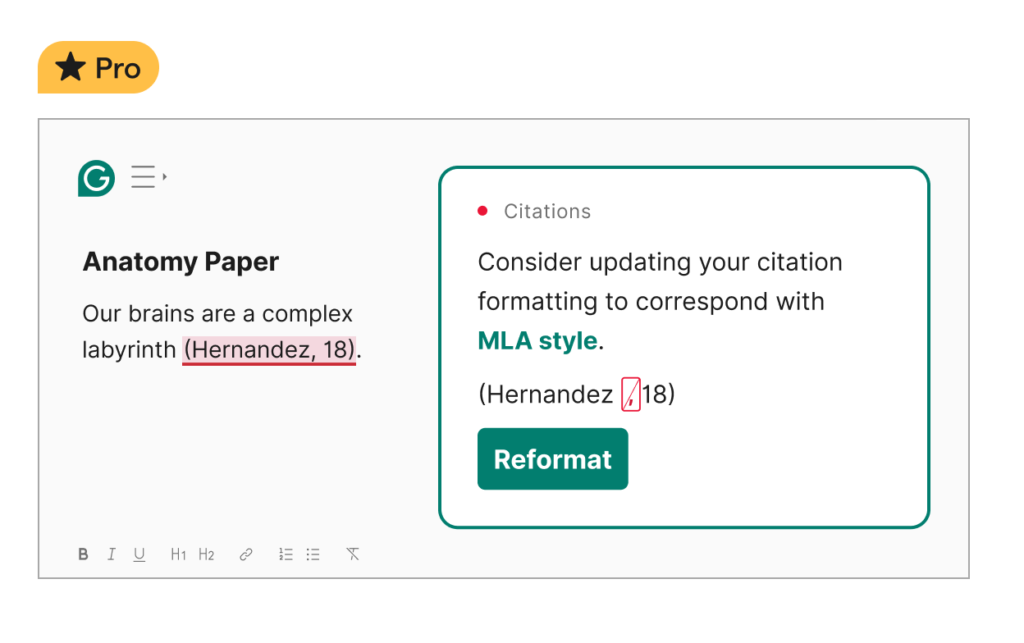
    • (Smith, 2024) for APA
    • (Smith 24) for MLA

    Step 5: Verify Accuracy

    This step is critical.

    Check:

    • Author names
    • Publication year
    • Title formatting
    • Journal name

    AI is powerful, but it can still make small errors.

    Step 6: Organize References

    Use tools like Zotero or Mendeley to:

    • Store citations
    • Group by topic
    • Export bibliographies

    This is especially useful for literature review projects.

    Advanced Strategies for Students

    Once you understand the basics, try these advanced techniques.

    1. Bulk Citation Generation

    Upload multiple PDFs and generate citations instantly.

    Huge time saver.

    2. Auto Bibliography Creation

    Ask AI:
    “Create a complete APA reference list from these sources”

    3. Citation Correction Mode

    Paste your citations and ask AI:
    “Fix formatting errors in APA style”

    4. Integration with Writing Tools

    Some AI tools integrate with Word and Google Docs to:

    • Insert citations automatically
    • Update reference lists in real-time

    This makes academic writing much smoother.

    Pros and Cons of AI Citation Tools

    Advantages

    • Saves hours of formatting time
    • Improves accuracy
    • Reduces human error
    • Enhances student productivity
    • Simplifies literature review writing

    Limitations

    • Occasional formatting mistakes
    • Requires manual verification
    • May miss incomplete metadata
    • Over-reliance risk

    So yeah, AI helps—but you still need to double-check.

    Ethical Use and Academic Integrity

    Let’s address a key concern.

    Using AI for citation generation is completely acceptable—if used correctly.

    Ethical use means:

    • Citing original sources properly
    • Not fabricating references
    • Verifying AI outputs
    • Understanding your sources

    If you generate fake or incorrect citations, your academic integrity is at risk.

    And trust me, professors can tell.

    How AI Supports Literature Reviews

    Citation tools are especially useful for literature reviews.

    They help you:

    • Manage dozens of sources
    • Maintain consistent formatting
    • Quickly update references
    • Focus on analysis instead of formatting

    This is a huge advantage for thesis students.

    Smart Note-Taking + Citation Integration

    Modern AI tools combine:

    • Note-taking
    • Citation generation
    • Source organization

    This creates a seamless research workflow.

    Imagine reading a paper, summarizing it, and generating citations—all in one place.

    That’s the future of academic productivity.

    Common Mistakes Students Make

    Let me be honest—students often misuse AI citation tools.

    Avoid these:

    • Blindly trusting AI output
    • Using incorrect citation style
    • Ignoring missing data
    • Not verifying sources
    • Copy-pasting without review

    If your citations are wrong, your entire paper loses credibility.

    The Future of AI in Academic Writing

    By 2026, AI is deeply integrated into academic workflows.

    Students who learn how to:

    • Generate accurate citations
    • Manage references efficiently
    • Maintain academic integrity

    …will always stay ahead.

    Platforms like lrnai.xyz are helping students build these future-ready skills with practical guides and tools.

    And honestly, this is just the beginning.

    Final Thoughts: Stop Formatting, Start Thinking

    Citations are important—but they shouldn’t consume your time.

    With AI, you can:

    • Generate accurate references in seconds
    • Focus on critical thinking
    • Improve writing quality
    • Reduce stress

    But remember:

    AI is a tool—not a shortcut to avoid learning.

    If you use it wisely, your not just saving time—you’re becoming a smarter student.

    Call to Action

    Ready to simplify your academic writing?

    Start using AI for peer-reviewed citation generation (APA/MLA) today and experience the difference. Then explore more powerful AI strategies on lrnai.xyz to boost your student productivity and master the future of learning.

    And if you’ve found a smarter way to manage citations, share it—because the best students don’t just study, they innovate.

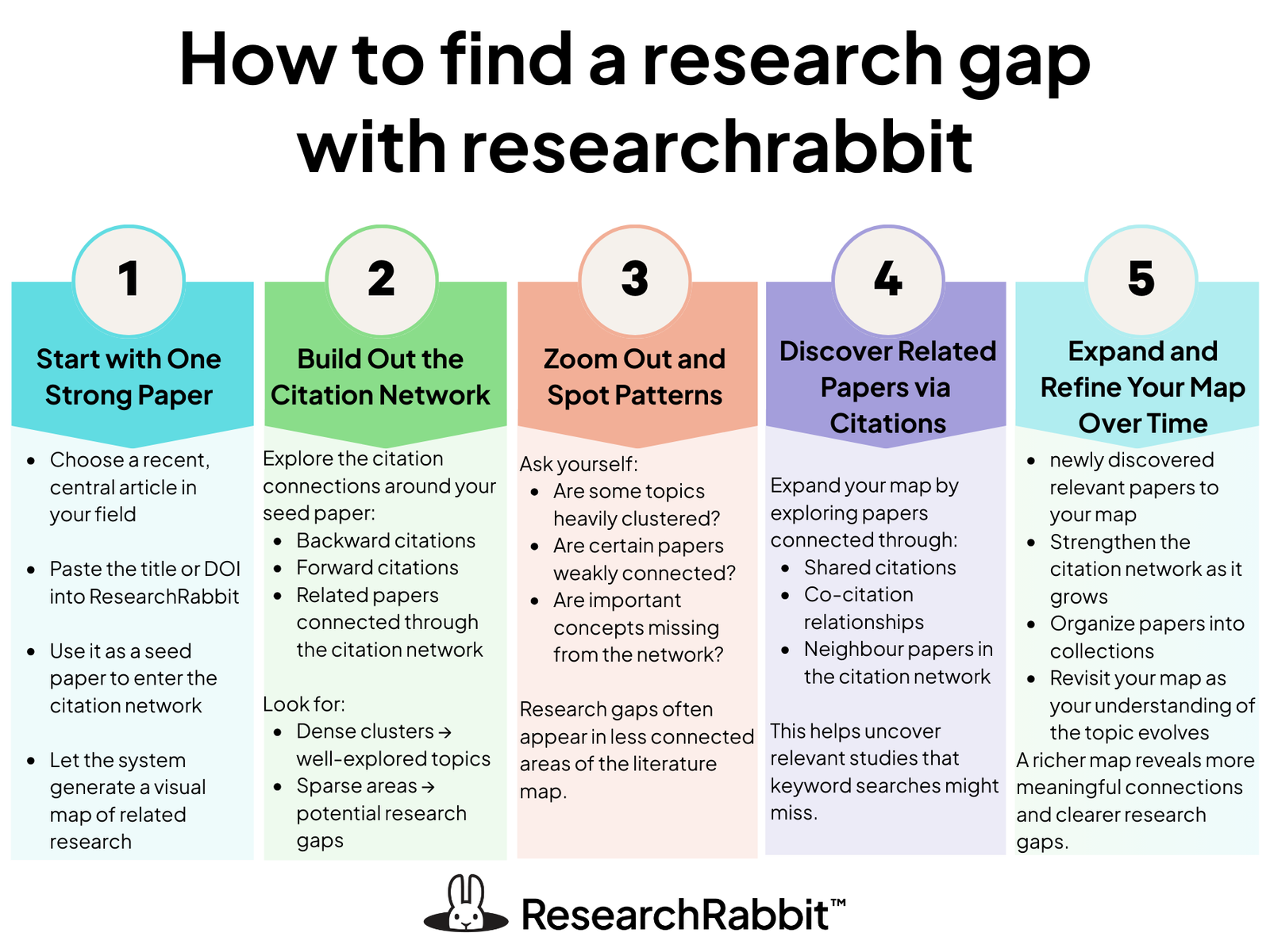
  • How to Use AI to Find Research Gaps for Your Master’s Degree (Save Weeks of Thesis Work)

    How to Use AI to Find Research Gaps for Your Master’s Degree (Save Weeks of Thesis Work)

    Look, I get it, university life is stressful but nothing feels more overwhelming than starting your Master’s thesis and realizing… you don’t even know what your research gap is.

    You read paper after paper, highlight everything, take notes—and still feel stuck.

    Here’s the truth: finding a research gap is not about reading more. It’s about reading smarter. And in 2026, AI tools are transforming how students identify research gaps in hours instead of weeks.

    In this guide, you’ll learn exactly how to use AI to find research gaps for your Master’s degree, while maintaining academic integrity and dramatically improving your student productivity.

    If you’re serious about mastering AI in academics, lrnai.xyz is becoming the ultimate platform for future-ready students.

    Why Finding a Research Gap Is So Difficult

    Let’s be honest—this is where most students struggle.

    1. Too Much Information

    There are thousands of papers on any topic. Identifying what’s missing is harder than understanding what’s already there.

    2. Lack of Clarity

    Students often confuse:

    • Research topics
    • Research problems
    • Research gaps

    They are not the same.

    3. Time Pressure

    You don’t have months to “figure things out.”

    4. Fear of Being Wrong

    “What if my research gap isn’t valid?”

    That fear slows down progress.

    This is exactly where AI becomes your research partner.

    What Does “Finding Research Gaps with AI” Mean?

    AI helps you:

    • Analyze multiple research papers at once
    • Identify patterns and trends
    • Detect contradictions in findings
    • Highlight under-researched areas

    Instead of manually reviewing 50 papers, AI can synthesize insights in minutes.

    Here is the real talk about using AI for your assignments: it’s not about shortcuts—it’s about strategic thinking.

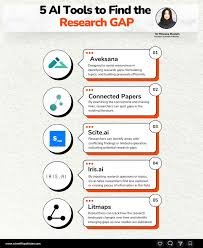
    Best AI Tools to Identify Research Gaps in 2026

    Let’s look at the tools students are using right now.

    AI Research Tool Comparison Table

    FeatureChatGPTElicitScite
    Gap IdentificationHighVery HighHigh
    Literature Review SupportStrongExcellentExcellent
    Citation AnalysisModerateStrongVery Strong
    Ease of UseVery EasyModerateEasy
    Best ForIdea generationDeep researchEvidence validation

    Recommended Tools

    • ChatGPT
    • Elicit
    • Scite

    Using a combination of these tools gives you the most accurate results.

    AI Tool Checklist for Finding Research Gaps

    Before using any AI tool, make sure it can:

    • Analyze multiple papers at once
    • Summarize key findings
    • Compare studies
    • Highlight limitations
    • Suggest unanswered questions

    If your tool doesn’t support at least 3 of these, it won’t help much.

    Step-by-Step: How to Use AI to Find Research Gaps for Your Master’s Degree

    Let’s break this into a simple, actionable proccess you can follow today.

    Step 1: Define Your Broad Topic

    Start with a general area:

    • Artificial Intelligence in Education
    • Climate Change and Agriculture
    • Mental Health in Students

    Don’t try to be too specific yet.

    Step 2: Gather Research Papers

    Use AI search tools to collect:

    • 10–20 relevant papers
    • Recent publications (last 5 years)
    • Peer-reviewed sources

    This becomes your dataset.

    Step 3: Upload Papers into AI Tool

    Use tools like ChatGPT or Elicit to:

    • Upload PDFs
    • Paste abstracts
    • Input DOIs

    The more data you provide, the better the analysis.

    Step 4: Ask Smart Prompts

    This is where most students go wrong.

    Don’t ask:
    “Find research gaps”

    Instead ask:

    • “What limitations are commonly mentioned in these studies?”
    • “What areas require further research based on these papers?”
    • “What contradictions exist in these findings?”

    Better prompts = better insights.

    Step 5: Identify Patterns

    AI will highlight:

    • Frequently mentioned limitations
    • Underexplored populations
    • Missing variables
    • Conflicting results

    These patterns are your research gaps.

    Step 6: Validate the Gap

    This step is critical for academic integrity.

    Check:

    • Does the gap appear in multiple papers?
    • Is it recent and relevant?
    • Is it feasible for your thesis?

    Never rely on AI blindly.

    Step 7: Convert Gap into Research Question

    Turn your gap into:

    • A clear research question
    • A testable hypothesis

    Example:

    Gap: Lack of studies on AI tools in rural education
    Question: “How effective are AI-based learning tools in rural university settings?”

    Now you have a strong thesis direction.

    Advanced Techniques for Finding Research Gaps Faster

    Once you understand the basics, try these strategies.

    1. Comparative Analysis

    Ask AI:
    “Compare findings from these 10 papers and identify inconsistencies”

    Inconsistencies often reveal research gaps.

    2. Trend Analysis

    Ask:
    “What trends are emerging in this research field?”

    Gaps often exist where trends are just starting.

    3. Limitation Mining

    Ask:
    “List all limitations mentioned in these studies”

    This is one of the fastest ways to find gaps.

    4. Cross-Disciplinary Gaps

    Ask:
    “What happens when this topic is applied to another field?”

    This often reveals unique thesis ideas.

    Pros and Cons of Using AI for Research Gap Identification

    Advantages

    • Saves weeks of research time
    • Improves literature review quality
    • Enhances critical thinking
    • Boosts student productivity
    • Identifies patterns humans might miss

    Limitations

    • May suggest vague gaps
    • Requires validation
    • Depends on input quality
    • Risk of over-reliance

    So yeah, AI is powerful—but it still needs your judgment.

    Ethical Use and Academic Integrity

    Let’s be clear.

    Using AI to find research gaps is completely acceptable.

    But misuse happens when students:

    • Copy AI-generated ideas without understanding
    • Skip reading original papers
    • Present AI insights as their own

    Ethical use means:

    • Verifying findings
    • Understanding the context
    • Citing sources properly

    If you don’t do this, your research won’t stand up to academic scrutiny.

    How AI Transforms Literature Reviews

    Finding research gaps is closely tied to literature reviews.

    AI helps you:

    • Summarize multiple studies
    • Identify themes
    • Detect patterns
    • Highlight missing areas

    Instead of spending weeks reading papers, you can focus on analysis.

    That’s a massive productivity boost.

    Smart Note-Taking for Research Gap Discovery

    Modern AI tools also support:

    • Automated summaries
    • Highlight extraction
    • Concept tagging

    This makes it easier to track:

    • Key findings
    • Limitations
    • Potential gaps

    Everything becomes organized and searchable.

    Common Mistakes Students Make

    Let me be honest—most students struggle here.

    Avoid these mistakes:

    • Using vague prompts
    • Not validating AI output
    • Choosing overly broad gaps
    • Ignoring feasibility
    • Skipping literature review

    If your research gap is weak, your entire thesis will suffer.

    The Future of AI in Thesis Research

    By 2026, AI is becoming essential for academic success.

    Students who know how to:

    • Analyze research quickly
    • Identify meaningful gaps
    • Structure strong arguments

    …will always stay ahead.

    Platforms like lrnai.xyz are helping students adapt to this new reality with practical, real-world guidance.

    And honestly, this is just the beginning.

    Final Thoughts: Stop Searching, Start Discovering

    Finding a research gap doesn’t have to take weeks.

    With AI, you can:

    • Analyze research faster
    • Identify meaningful gaps
    • Build stronger thesis ideas
    • Reduce stress

    But remember:

    AI doesn’t replace thinking—it enhances it.

    If you use it wisely, your not just saving time—you’re becoming a smarter researcher.

    Call to Action

    Ready to find your perfect research gap?

    Start using AI tools today and take control of your thesis journey. Then explore more powerful AI strategies on lrnai.xyz to boost your research skills, improve your academic integrity, and stay ahead in the future of learning.

    And if you’ve discovered a smart way to identify research gaps, share it—because the best students don’t just follow knowledge, they create it.