Meta Description: Discover the top AI trends in education that every student must know in 2026 to boost productivity, research smarter, and stay ahead.
Artificial Intelligence is no longer just a “nice-to-have” tool for students—it’s becoming the backbone of modern education. From personalized learning to AI-powered research assistants, the way you study, write, and think is rapidly evolving.
Look, I get it, university life is stressful but trying to keep up with both coursework and emerging tech trends can feel overwhelming. The truth is, students who understand AI today are the ones who will dominate academically and professionally tomorrow.
In this guide, you’ll explore the most important AI trends in education that every student must know in 2026, along with practical ways to use them for better learning, improved academic integrity, and higher student productivity.
Here is the real talk about using AI for your assignments: it’s not about using every tool—it’s about using the right tools in the right way.
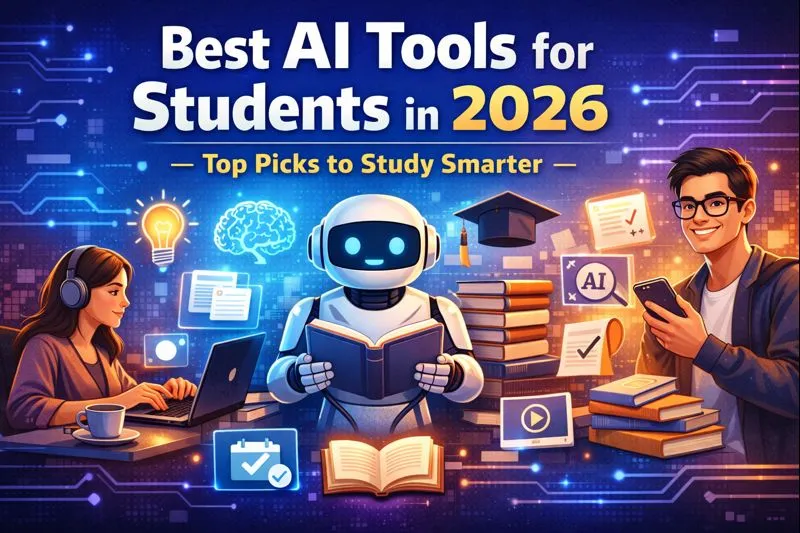
Why AI Trends Matter for Students in 2026
AI is reshaping:
- How you research
- How you write
- How you prepare for exams
- How you manage time
Ignoring these trends means falling behind. Understanding them means working smarter, not harder.
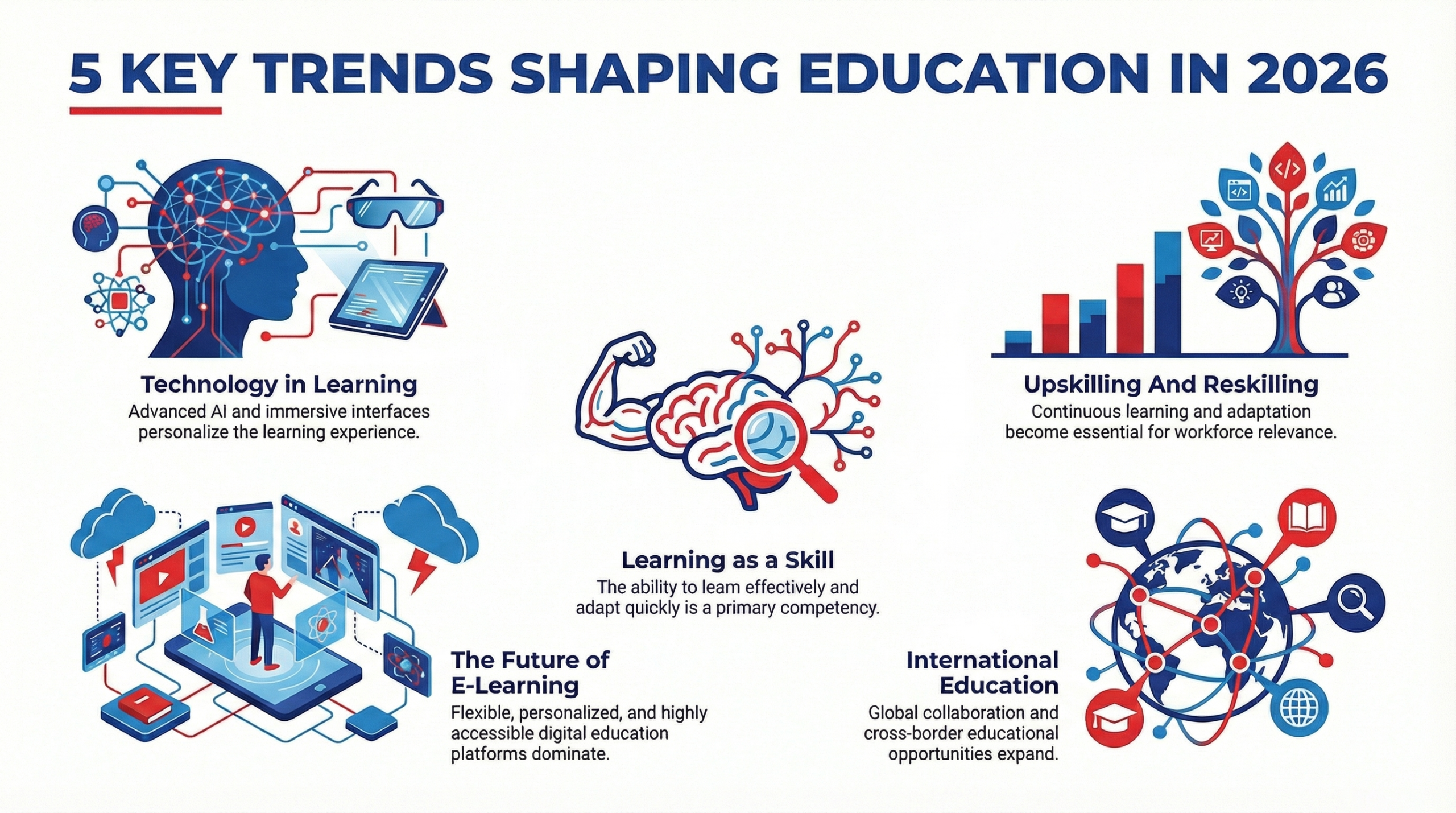
Top AI Trends in Education That Every Student Must Know in 2026
1. AI-Powered Personalized Learning
Tools like Khanmigo and Duolingo Max now adapt lessons based on your:
- Learning pace
- Strengths
- Weaknesses
This means no more one-size-fits-all education.
2. Smart Note-Taking and Knowledge Management
Apps like Notion AI and Mem:
- Automatically summarize lectures
- Organize ideas
- Link concepts intelligently
This dramatically improves student productivity.
3. AI for Thesis Research and Literature Review
AI tools such as Elicit and Perplexity AI help with:
- Finding academic papers
- Summarizing research
- Identifying trends
This makes the literature review process faster and more efficient.
4. Multimodal Learning (Text, Audio, Video)
AI now supports:
- Text-to-speech
- Video explanations
- Interactive simulations
This is especially helpful for diverse learners, including those with dyslexia.
5. AI Writing Assistants with Context Awareness
Tools like ChatGPT and Grammarly now:
- Understand context
- Suggest improvements
- Adapt tone
But remember—use them ethically to maintain academic integrity.
6. AI-Powered Assessment and Feedback
AI can now:
- Grade assignments
- Provide instant feedback
- Suggest improvements
This helps students improve faster.
7. Career-Focused AI Tools
AI is helping students:
- Prepare for interviews
- Build resumes
- Identify skill gaps
Platforms like LinkedIn integrate AI for career growth.
8. Ethical AI and Academic Integrity Awareness
Universities are focusing more on:
- Ethical AI usage
- Transparency
- Responsible learning
Students must understand not just how to use AI—but how to use it responsibly.
AI Tools Comparison for Students in 2026
| Tool | Main Use | Key Benefit | Limitation |
|---|---|---|---|
| ChatGPT | Writing & research | Versatile | Needs verification |
| Notion AI | Notes & planning | Organization | Setup required |
| Perplexity AI | Research | Real-time answers | Accuracy varies |
| Grammarly | Writing improvement | Clarity | Limited depth |
| Elicit | Academic research | Literature review | Niche use |
Step-by-Step: How to Use AI Trends in Your Daily Study Routine
Step 1: Start with Smart Planning
Use Notion AI:
“Create a weekly study plan based on my subjects.”
This helps you stay organized and focused.
Step 2: Use AI for Learning New Concepts
Ask ChatGPT:
“Explain this concept in simple terms.”
This saves time and improves understanding.
Step 3: Enhance Your Literature Review
Use Elicit:
- Find relevant papers
- Summarize findings
- Identify research gaps
Step 4: Take Smarter Notes
Use AI tools to:
- Summarize lectures
- Highlight key points
- Organize information
Step 5: Practice and Test Yourself
Ask AI:
“Create quiz questions based on this topic.”
Active recall improves retention.
Step 6: Improve Assignments Ethically
Use AI for:
- Editing
- Structuring
- Feedback
But always write in your own voice.
Step 7: Prepare for Future Careers
Use AI to:
- Analyze job roles
- Practice interviews
- Identify skill gaps
AI Student Checklist for 2026
Before adopting any AI trend:
- Am I using this tool to learn or just to finish work?
- Am I maintaining academic integrity?
- Is this improving my student productivity?
- Do I understand the output?
- Am I verifying information?
If yes, your on the right track.
Pros and Cons of AI Trends in Education
Pros
- Saves time
- Enhances learning
- Improves research efficiency
- Supports personalized education
Cons
- Risk of over-reliance
- Accuracy concerns
- Ethical challenges
- Learning curve
Common Mistakes Students Make
Mistake 1: Using AI Without Understanding
Solution: Always learn, don’t just copy.
Mistake 2: Ignoring Academic Integrity
Solution: Follow university guidelines.
Mistake 3: Overloading with Tools
Solution: Focus on a few effective tools.
Mistake 4: Not Verifying Information
Solution: Cross-check sources.
Advanced Strategies for Students
1. Build an AI Learning System
Combine tools for:
- Research
- Writing
- Organization
2. Stay Updated with Trends
AI evolves fast. Keep learning.
3. Balance AI and Human Thinking
AI supports—but your thinking matters most.
4. Use AI Across All Subjects
From science to humanities, AI can enhance learning everywhere.
The Future of AI in Education
Education is becoming:
- More personalized
- More efficient
- More accessible
Students who understand AI trends in education that every student must know in 2026 will:
- Learn faster
- Perform better
- Build future-ready skills
And platforms like lrnai.xyz are designed to guide students through this transformation—helping you master AI tools while maintaining academic excellence.
Final Thoughts: Adapt or Fall Behind
AI is not the future—it’s the present.
The question isn’t whether you should use AI. It’s whether you’ll use it effectively.
Students who adapt will thrive. Those who ignore it may struggle to keep up.
So start small, stay consistent, and focus on learning—not shortcuts.
Call to Action
Start exploring these AI trends today. Pick one tool, apply it to your studies, and build from there.
Then visit lrnai.xyz to discover more powerful guides, tools, and strategies designed to help you succeed in the AI-driven world.
And don’t forget—share what you learn. Because the future of education is better when we grow together.
Leave a Reply