
Reading dense textbooks can be exhausting for anyone—but for students with dyslexia, it can feel like an uphill battle every single day. Slow reading speed, difficulty decoding words, and reduced comprehension can make academic life much harder than it needs to be.
Look, I get it, university life is stressful but struggling through hundreds of pages every week isn’t just tiring—it can impact your confidence and performance.
The good news? In 2026, AI has become a powerful equalizer. With the right tools, dyslexic students can now read textbooks faster, understand better, and study more efficiently.
In this guide, you’ll learn about the best AI tools for dyslexic students to read textbooks faster, how to use them effectively, and how to combine them with proven study strategies—all while maintaining academic integrity and improving student productivity.
Here is the real talk about using AI for your assignments: AI is not a shortcut—it’s a support system designed to help you learn in the way that works best for your brain.
Why Dyslexic Students Benefit from AI in 2026
Dyslexia affects reading fluency, decoding, and sometimes comprehension. Traditional study methods don’t always work—but AI tools adapt to individual needs.
Key Benefits of AI for Dyslexic Students
- Text-to-Speech (TTS): Converts written text into spoken words
- Simplification: Breaks down complex sentences
- Highlighting & Tracking: Helps focus while reading
- Summarization: Reduces cognitive overload
- Multimodal Learning: Combines audio, text, and visuals
These features significantly improve both speed and understanding.

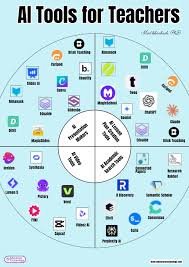
Top AI Tools for Dyslexic Students to Read Textbooks Faster
Here are some of the most effective tools in 2026:
- Speechify – High-quality natural voice reading
- NaturalReader – Multi-format reading support
- Microsoft Immersive Reader – Built-in reading support with focus features
- ChatGPT – Simplifies and summarizes complex text
- Notion AI – Organizes notes and extracts key ideas
AI Tools Comparison for Dyslexic Students
| Tool | Best Feature | Ideal For | Limitation |
|---|---|---|---|
| Speechify | Natural audio | Fast listening | Premium features |
| NaturalReader | Multi-format support | PDFs & docs | Voice quality varies |
| Immersive Reader | Focus tools | Academic reading | Limited customization |
| ChatGPT | Simplification | Complex topics | Needs guidance |
| Notion AI | Note-taking | Organization | Setup time |
Step-by-Step: How to Use AI Tools to Read Textbooks Faster
Step 1: Convert Text to Audio
Start with Speechify or NaturalReader:
- Upload your textbook or PDF
- Adjust reading speed
- Listen while following the text
This reduces strain and improves comprehension.
Step 2: Use Focused Reading Modes
With Microsoft Immersive Reader:
- Highlight lines
- Adjust font spacing
- Use syllable breakdown
These features make reading more manageable.
Step 3: Simplify Complex Content
Use ChatGPT:
“Explain this paragraph in simple terms.”
This helps when dealing with:
- Academic jargon
- Technical explanations
- Dense theory
Step 4: Summarize Key Points
Ask AI:
“Summarize this chapter into key bullet points.”
This is especially useful for:
- Exam revision
- Literature review preparation
- Quick understanding
Step 5: Organize Notes Efficiently
Use Notion AI:
- Store summaries
- Track topics
- Create study plans
This improves organization and student productivity.
Step 6: Combine Audio and Visual Learning
Don’t rely on one method.
Try:
- Listening + reading
- Highlighting key points
- Reviewing summaries
This reinforces understanding.
Step 7: Review and Reinforce
Use AI to quiz yourself:
“Create 5 questions based on this chapter.”
Active recall improves memory retention significantly.
AI Study Checklist for Dyslexic Students
Before finishing a study session:
- Did I use text-to-speech tools?
- Did I simplify difficult content?
- Did I summarize key ideas?
- Did I review using active recall?
- Did I organize my notes?
If yes, your making real progress.
Pros and Cons of AI Tools for Dyslexic Students
Pros
- Faster reading speed
- Improved comprehension
- Reduced cognitive load
- Enhanced student productivity
- Personalized learning experience
Cons
- Requires initial setup
- Some tools are paid
- Over-reliance can limit skill development
- Needs consistent use
Common Mistakes to Avoid
Mistake 1: Relying Only on Audio
Solution: Combine audio with visual reading.
Mistake 2: Skipping Difficult Sections
Solution: Use AI to simplify instead of avoiding.
Mistake 3: Not Reviewing Content
Solution: Use summaries and quizzes.
Mistake 4: Ignoring Academic Integrity
Solution: Use AI to assist—not replace—your learning.
Advanced Strategies for 2026 Students
1. Personalize Your Learning Style
AI allows you to:
- Adjust speed
- Choose voice types
- Customize formats
Find what works best for you.
2. Use AI for Academic Writing Support
AI helps with:
- Structuring essays
- Improving clarity
- Supporting literature review
But always maintain your own voice.
3. Build Consistent Study Habits
Consistency beats intensity.
Even 30 minutes daily with AI tools can significantly improve results.
4. Integrate AI Across Subjects
Use AI for:
- Reading textbooks
- Taking notes
- Preparing assignments
This creates a seamless learning system.
Ethical Use of AI for Dyslexic Students
Using AI as an accessibility tool is not cheating—it’s support.
To stay ethical:
- Understand what you study
- Avoid copying AI outputs
- Follow academic guidelines
This ensures you maintain academic integrity while benefiting from technology.
The Future of AI and Inclusive Education
AI is making education more inclusive than ever.
Students with dyslexia can now:
- Learn at their own pace
- Access content in multiple formats
- Compete on equal footing
And platforms like lrnai.xyz are leading this transformation—helping students master AI tools for smarter, more effective learning.
Final Thoughts: Learn Your Way
There is no one “right” way to learn.
If traditional reading methods don’t work for you, that’s okay. AI gives you the freedom to learn in a way that suits your brain.
The key is consistency, strategy, and the right tools.
Call to Action
Start using AI tools today to transform how you read and study. Try text-to-speech, summarization, and smart note-taking to see immediate improvements.
Then explore more powerful learning strategies on lrnai.xyz—your ultimate guide to mastering AI-driven education in 2026.
And remember: share your study techniques with others. Because when students support each other, everyone succeeds.
Leave a Reply